
HDPHNS: The Complete Guide to Choosing the Best Headphones in 2026
Introduction
Music, movies, gaming, online meetings, and everyday communication have become important parts of modern life. Good audio equipment can make all these activities more enjoyable, and headphones are among the most useful accessories for smartphones, computers, tablets, and other digital devices. Whether you enjoy listening to music, watching movies, attending online classes, or playing video games, choosing the right headphones can improve your overall experience.
The keyword hdphns is related to headphones, an essential audio accessory available in many designs, sizes, and price ranges. Modern headphones offer features such as wireless connectivity, Bluetooth technology, noise cancellation, built-in microphones, comfortable ear cushions, and long battery life. However, not every model is suitable for every user. Some headphones are designed for professional audio work, while others are better for travel, gaming, exercise, or everyday entertainment.
In this complete guide, you will learn about different types of headphones, important hdphns features, wireless and wired options, sound quality, comfort, battery performance, and practical buying tips. By understanding these details, you can make a smarter decision and choose headphones that match your lifestyle and budget.
1. What Are Headphones?
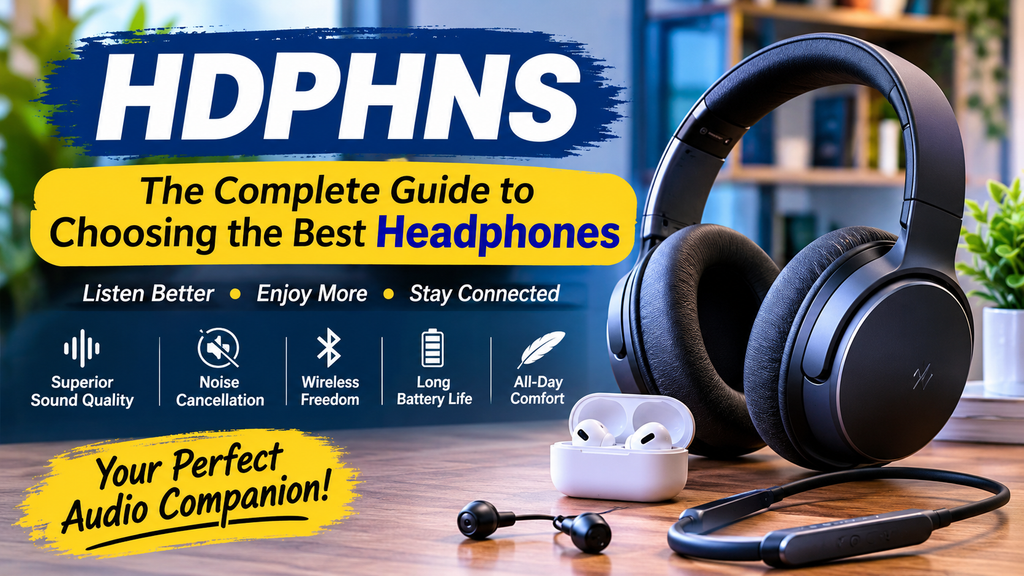
hdphns Headphones are personal audio devices designed to deliver sound directly to your ears. They connect to an audio source, such as a smartphone, laptop, desktop computer, television, gaming console, or music player. Unlike traditional speakers, headphones allow you to listen privately without disturbing people around you.
Most headphones contain two small speaker units called drivers. These drivers convert electrical audio signals into sound waves that you can hear. The quality of the drivers, design, materials, and audio processing technology can influence the listening experience.
Headphones are available in several styles, including over-ear, on-ear, and in-ear designs. Some models connect through a cable, while others use Bluetooth or wireless transmitters. Depending on the model, they may also include microphones, volume controls, noise cancellation, and other useful features.
2. Why Are Headphones Important in Everyday Life?
hdphns Headphones make it easier to enjoy audio in different environments. Students can attend online classes, employees can participate in virtual meetings, and music lovers can enjoy their favorite songs without using external speakers. They are also useful for watching movies, listening to podcasts, and playing games.
Another advantage is privacy. When you use headphones, the sound is directed toward your ears instead of filling an entire room. This can be helpful in shared offices, libraries, public transportation, and busy households.
Modern headphones also provide convenience through wireless connections and built-in controls. Many models allow users to answer calls, adjust volume, pause music, or switch between connected devices. These features make headphones practical accessories for work, entertainment, and travel.
3. Different Types of Headphones
Understanding headphone designs is important before purchasing a new pair. Each type offers different advantages in comfort, portability, sound isolation, and convenience.
Over-Ear Headphones
Over-ear headphones have large ear cups that completely surround your ears. Their design can provide a comfortable listening experience, especially when the ear cushions are soft and the headband distributes weight properly.
Many over-ear models are popular for music, movies, office work, and gaming. Some also include active noise cancellation, powerful batteries, and advanced sound customization. However, their larger size can make them less convenient to carry than compact earbuds.
On-Ear Headphones
On-ear hdphns headphones sit directly on your ears instead of surrounding them. They are usually smaller and lighter than many over-ear designs, making them a practical choice for people who want a portable headset.
Their comfort depends heavily on cushion quality and clamping pressure. Some users prefer their compact design, while others may experience discomfort after extended listening sessions. It is a good idea to check the fit before buying.
In-Ear Headphones and Earbuds
In-ear hdphns headphones fit inside the outer ear canal or rest near its entrance, depending on their design. They are compact, lightweight, and easy to carry in a pocket or small case.
Wireless earbuds are particularly popular because they provide convenient Bluetooth connectivity. Many models include charging cases, touch controls, microphones, and noise cancellation. They can be useful for commuting, exercise, phone calls, and everyday listening.
4. Wired vs. Wireless Headphones: Which Is Better?
One of the most common buying decisions is choosing between wired and wireless headphones. Both options have advantages, and the right choice depends on your requirements.
Wired Headphones
Wired hdphns headphones connect directly to a device through an audio cable. They do not need a built-in battery for ordinary wired audio playback, which makes them convenient for users who do not want to recharge their headphones.
They can also be useful for studio monitoring, music production, gaming, and situations where a stable physical connection is preferred. However, cables may become tangled or restrict movement. Some modern smartphones and laptops also require an adapter if they do not have a compatible headphone port.
Wireless Headphones
Wireless headphones use technologies such as Bluetooth or dedicated wireless transmitters to connect to compatible devices. They offer freedom of movement and eliminate the need for a traditional audio cable during normal wireless use.
Many wireless models include rechargeable batteries, built-in microphones, and smartphone controls. Battery life varies significantly between products, particularly when active noise cancellation and other power-consuming features are enabled.
Which should you choose? Wired headphones are worth considering if you prioritize a direct connection and do not want to manage battery charging. Wireless headphones are a strong option if convenience, portability, and freedom of movement matter more.
5. Bluetooth Headphones and Their Benefits
Bluetooth hdphns headphones connect wirelessly to compatible devices using Bluetooth technology. This makes them useful for smartphones, tablets, laptops, and other supported equipment.
One major benefit is convenience. You can listen to music, watch videos, or take calls without keeping your device physically connected to your headphones. Many models also support multipoint connectivity, allowing compatible headphones to connect to more than one device.
When shopping for Bluetooth hdphns headphones, check compatibility, microphone quality, connection stability, supported audio codecs, and battery performance. Remember that Bluetooth features and audio quality can vary depending on both the headphones and the connected device.
6. Noise-Cancelling Headphones: What You Should Know
Noise-cancelling hdphns headphones are designed to reduce unwanted background noise. They can be particularly useful on airplanes, trains, buses, and in busy offices.
There are two common approaches to reducing outside sound:
- Passive noise isolation: The physical design and ear cushions help block some external noise.
- Active Noise Cancellation (ANC): hdphns Electronic technology uses microphones and processing to reduce certain incoming sounds.
ANC can make listening more comfortable in noisy environments because you may not need to increase the volume as much. However, noise cancellation performance differs between models and sound environments. It does not eliminate every sound, and it should not replace proper hearing protection in dangerous noise conditions.
Some headphones also offer transparency mode, which allows outside sounds to pass through so users can hear their surroundings more easily.
7. Why Sound Quality Matters
Sound quality is one of the most important factors when choosing headphones. A good pair should reproduce audio clearly and comfortably, without making music, voices, or other sounds unpleasant to hear.
Different users may prefer different sound profiles. Some enjoy strong bass for electronic music and movies, while others prefer balanced sound for podcasts, classical music, and professional audio work.
Here are several factors worth considering:
- Bass: The low-frequency part of sound, often important for music and movies.
- Midrange: The frequency range that carries much of the detail in voices and many instruments.
- Treble: hdphns Higher-frequency sounds that contribute to clarity and detail.
- Sound balance: The overall relationship between bass, midrange, and treble.
- Distortion: Unwanted changes in sound that can reduce audio quality.
Do not judge headphones only by marketing terms or technical specifications. If possible, listen to a pair before purchasing it and compare how different models perform with music you know well.
8. Important Features to Check Before Buying HDPHNS
Modern hdphns headphones include many features, but not every feature is necessary for every buyer. Focus on the options that will make a real difference to your daily use.
Battery Life
Battery life is important for wireless headphones. Check the manufacturer’s estimated playback time and whether the figure is measured with noise cancellation enabled or disabled.
A longer battery life can be useful for travel, work, and extended listening. Fast charging may also be helpful when you need additional playback time after a short charging session.
Microphone Quality
A built-in microphone is useful for phone calls, video conferences, online classes, and gaming. If you frequently communicate through your headphones, check microphone clarity and background-noise handling.
Comfort and Fit
Comfort is essential, particularly if you wear headphones for several hours. Look for soft ear cushions, an adjustable headband, suitable weight, and a fit that does not create excessive pressure.
For earbuds, check whether the package includes different ear-tip sizes. A suitable fit can improve comfort and help reduce unwanted sound leakage.
Connectivity
Check which connection options are available. Bluetooth is useful for wireless listening, while USB-C, USB-A, or a 3.5 mm audio connection may be important for specific devices and activities.
Durability
Look for strong construction, reliable hinges, quality cables, and replaceable cushions where available. If you plan to use headphones outdoors or during exercise, check their water- and sweat-resistance information.
9. Best Headphones for Music Lovers
Music lovers should consider sound quality, comfort, and the type of music they listen to most often. Over-ear headphones can be a good choice for home hdphns listening because they provide larger ear cups and can offer an immersive experience.
People who prefer electronic, hip-hop, or dance music may enjoy headphones with stronger bass. Listeners who enjoy acoustic, classical, or vocal music may prefer a more balanced sound profile.
A customizable equalizer can also be useful because it allows you to adjust audio according to your preferences. However, the best choice is not necessarily the most expensive model. Comfort and sound quality should matter more than brand popularity alone.
10. Best Headphones for Gaming
hdphns Gaming headphones are designed to support communication and immersive audio during gameplay. Many gaming headsets include a boom microphone, padded ear cups, adjustable headbands, and convenient audio controls.
Some models offer virtual surround-sound features intended to create a wider sense of space. These features may help players notice audio cues, although actual performance depends on the headset, game, and audio configuration.
Before buying gaming headphones, consider platform compatibility. A headset that works with a PC may not support every feature on a PlayStation, Xbox, Nintendo Switch, or mobile device. Check the connection type, microphone support, comfort, and latency requirements.
11. Headphones for Online Classes and Office Work
Headphones can make online learning and remote work more convenient. Students can hear lessons clearly, while employees can participate in meetings without relying on laptop speakers.
For these activities, microphone performance and comfort are especially important. A lightweight headset with a clear microphone may be more useful than a model that focuses mainly on powerful bass or advanced music features.
Noise cancellation can also help reduce distractions in busy environments. If you attend frequent meetings, look for simple controls, dependable connectivity, and compatibility with your preferred communication applications.
12. How to Choose Comfortable Headphones
Comfort should never be ignored when purchasing headphones. Even a model with impressive technical specifications may become frustrating if it feels too tight, heavy, or uncomfortable.
For over-ear headphones, examine the depth and softness of the ear cushions. Your ears should fit comfortably inside the cups without excessive pressure. An adjustable headband can help distribute weight more evenly.
For on-ear headphones, pay attention to clamping force because the cushions rest directly against your ears. For earbuds, try different ear-tip sizes if available. A secure but comfortable fit is generally preferable to a loose fit that requires constant adjustment.
13. How Much Should You Spend on Headphones?
Headphone prices vary according to brand, design, materials, sound quality, and additional features. Budget models may provide basic audio and wireless connectivity, while more expensive products can include advanced noise cancellation, premium construction, and extensive customization.
You do not need to spend a large amount to find headphones that meet your needs. Start by deciding which features are essential and which ones are optional.
For example, someone who mainly listens to podcasts may not need an expensive audiophile headset. A frequent traveler may benefit more from effective noise cancellation and comfortable ear cushions. A gamer may prefer a reliable microphone and platform compatibility.
Compare specifications, independent reviews, warranty terms, and return policies before making your final decision.
14. How to Maintain Your Headphones
Proper maintenance can help keep headphones clean and working correctly. Dust, sweat, moisture, and everyday handling can gradually affect their condition.
Follow these simple care tips:
- Clean ear cushions and earbuds regularly using manufacturer-approved methods.
- Avoid exposing headphones to excessive moisture or extreme temperatures.
- Store them in a protective case when they are not being used.
- Avoid pulling cables or forcing folding hinges.
- Keep charging ports free from dust and debris.
- Follow the manufacturer’s battery and charging instructions.
- Replace damaged ear tips or worn cushions when suitable replacement parts are available.
Never use harsh cleaning chemicals unless the manufacturer specifically recommends them. Always check the care instructions for your particular model.
15. Safe Listening Tips for Headphone Users
Listening habits are just as important as headphone quality. Exposure to loud sounds for long periods can increase the risk of hearing damage.
The World Health Organization recommends keeping personal audio-device volume below 60% of the maximum as a practical precaution. It also advises users to monitor sound levels, limit exposure to loud audio, and take regular listening breaks.
Consider these habits:
- Keep the volume at a comfortable level.
- Take breaks during long listening sessions.
- Use well-fitting or noise-cancelling headphones when appropriate.
- Avoid increasing the volume excessively in noisy environments.
- Use built-in volume-limiting or sound-monitoring features when available.
If you experience persistent ringing in your ears or difficulty hearing, seek advice from a qualified hearing professional.
16. Common Mistakes to Avoid When Buying Headphones
Many buyers focus only on price, brand, or appearance. These factors may matter, but they do not tell the complete story.
One common mistake is purchasing headphones without checking device compatibility. Another is choosing a model with poor comfort simply because it has attractive specifications.
Some buyers also assume that a higher price always means better sound. In reality, different headphones are designed for different listening preferences and situations.
Before purchasing, check the return policy, warranty, battery claims, microphone quality, and independent testing where available. Most importantly, select headphones based on how you plan to use them.
17. The Future of Headphone Technology
Headphone technology continues to develop as manufacturers introduce new audio features and improve wireless performance. Modern products increasingly focus on personalized sound, adaptive noise cancellation, improved microphones, and easier connections between devices.
Some headphones offer companion applications that let users adjust equalizer settings, control noise cancellation, or customize touch controls. Other models include automatic listening features that respond to the surrounding environment.
Battery efficiency and comfort remain important areas of development. As technology changes, buyers should still focus on practical performance rather than purchasing a product simply because it advertises the newest feature.
18. Are Expensive Headphones Worth Buying?
Expensive headphones can be worth considering when they provide features that you genuinely need. Premium models may offer better materials, advanced noise cancellation, improved microphones, and more detailed sound customization.
However, a higher price does not guarantee that a particular pair will suit your ears or listening preferences. Some affordable headphones provide excellent value for everyday activities.
The best approach is to compare headphones within your budget and focus on comfort, sound, durability, and useful features. Choose a model that performs well for your specific needs rather than paying extra for features you will rarely use.
19. Final Buying Checklist for HDPHNS
Before purchasing your next pair of headphones, review this simple checklist:
- Decide whether you need wired or wireless headphones.
- Choose an appropriate design: over-ear, on-ear, or in-ear.
- Check sound quality and your preferred audio profile.
- Compare battery life if you choose a wireless model.
- Look for effective noise cancellation if you travel frequently.
- Check microphone quality for calls, meetings, or gaming.
- Confirm compatibility with your devices.
- Consider comfort, weight, and build quality.
- Review warranty coverage and return options.
- Compare prices and independent product reviews.
This checklist can help you avoid unnecessary spending and select headphones that provide better everyday value.
20. Conclusion
Headphones are useful audio accessories for music, entertainment, gaming, education, and professional communication. With so many options available, choosing the right model requires more than simply looking at its price or brand name.
The hdphns keyword can be used as your target keyword, but the main article topic should remain clear and natural: headphones. Understanding headphone types, Bluetooth connectivity, noise cancellation, sound quality, battery life, comfort, and durability can help you make a more informed purchase.
Whether you prefer wired headphones, wireless Bluetooth models, gaming headsets, or compact earbuds, the right choice depends on your lifestyle and budget. Compare important features, read reliable reviews, and prioritize comfort and sound quality. A carefully selected pair of headphones can provide an enjoyable listening experience for everyday activities.
Frequently Asked Questions (FAQs)
1. What does hdphns mean?
The keyword “hdphns” appears to be a shortened or misspelled version of “headphones.” Headphones are personal audio devices used for listening to music, watching videos, gaming, and making calls.
2. Which type of headphones is best for everyday use?
Wireless over-ear headphones and Bluetooth earbuds are popular everyday options. The best choice depends on your comfort preferences, budget, listening habits, and the devices you use.
3. Are wireless headphones better than wired headphones?
Wireless headphones offer convenience and freedom of movement, while wired headphones do not require battery charging for ordinary wired playback. Both can provide good audio quality, so the better option depends on your requirements.
4. What are noise-cancelling headphones?
Noise-cancelling headphones use passive isolation, electronic noise reduction, or a combination of both to reduce unwanted background sounds. Active Noise Cancellation (ANC) is especially useful in many travel and office environments.
5. How long do wireless headphones last?
Battery performance depends on the model, battery capacity, volume level, and features being used. Some over-ear models provide many hours of playback, while compact earbuds usually provide fewer hours per charge and use a charging case for additional power.
6. Are Bluetooth headphones suitable for gaming?
Yes, Bluetooth headphones can work for gaming when the device supports them. However, gamers should check audio latency, microphone support, and compatibility. A dedicated wireless gaming headset or wired headset may be a better choice for some gaming setups.
7. How can I improve headphone sound quality?
Use a comfortable fit, select suitable audio settings, keep the headphones clean, and adjust equalizer settings if supported. You should also use good-quality audio sources and avoid excessive volume.
8. Can I use headphones for online meetings?
Yes. Headphones with a built-in microphone can be useful for video conferences, online classes, and remote work. Check microphone clarity and compatibility with your meeting software before buying.
9. How can I protect my hearing while using headphones?
Keep the volume at a comfortable level, take regular breaks, and avoid listening to loud audio for extended periods. The World Health Organization recommends keeping personal audio-device volume below 60% of maximum as a practical precaution.
10. What should I check before buying headphones?
Check sound quality, comfort, connectivity, battery life, microphone performance, durability, device compatibility, warranty, and price. Choose features according to your actual needs rather than paying for unnecessary extras.
11. Are expensive headphones always better?
No. Expensive headphones may offer premium features, but price alone does not determine whether a model is right for you. Compare performance, comfort, and reviews before purchasing.
12. Which headphones are best for traveling?
Travelers often prefer comfortable over-ear headphones with effective active noise cancellation and good battery life. Compact wireless earbuds can also be useful when portability is the main priority.
Article End